
Tucson Water Damage Restoration Champions
Sewage Backup Cleanup in Tucson, AZ | Category 3 Contamination Removal
When a toilet, floor drain or tub overflows with wastewater, we contain it, strip what can't be saved and disinfect the rest.
- Free inspection
- Direct insurance billing available
- IICRC-certified technicians
A sewage backup is not ordinary water damage. Wastewater rising through a toilet or floor drain carries bacteria and viruses, and the IICRC S500 standard classifies it as Category 3. That label changes what we wear, what we keep, what we throw away and how we prove the room is safe again.
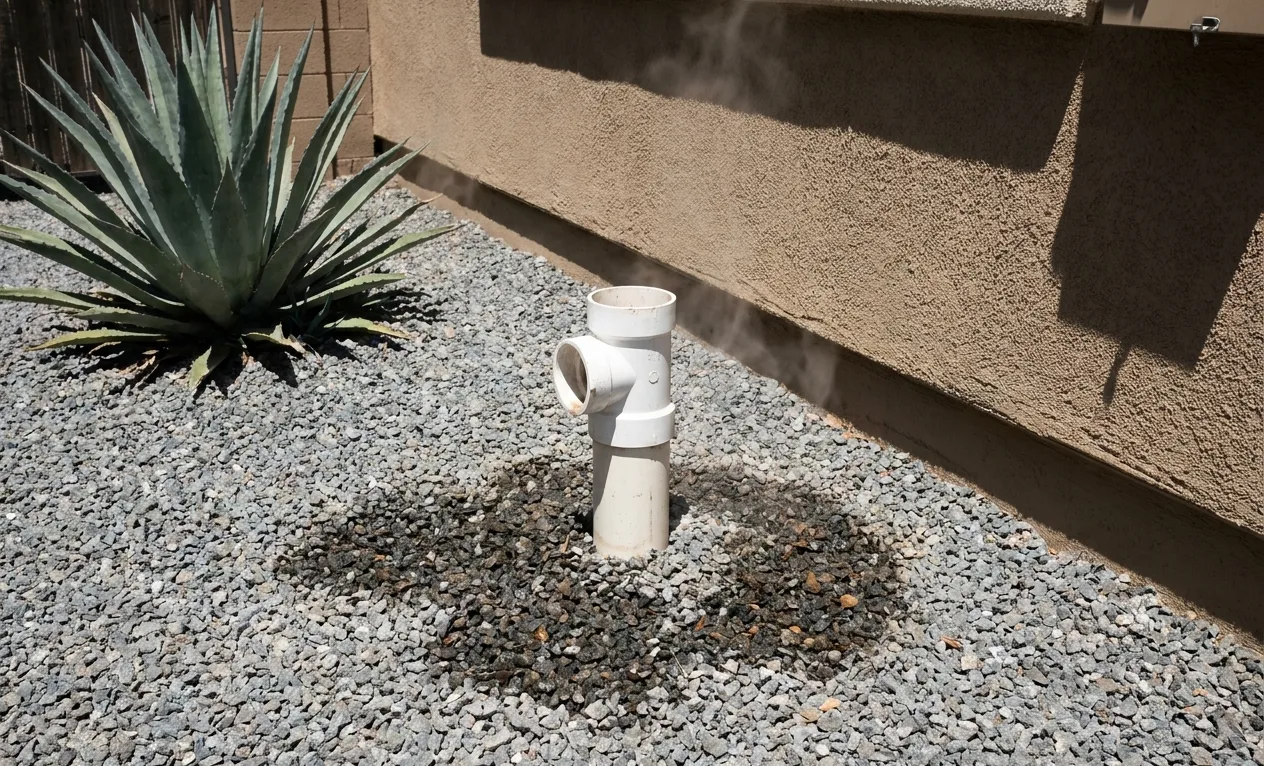
Most calls start with an ignored slow drain. Then a lateral clogged with roots, grease or wipes seals shut, and the lowest fixture in the house becomes the overflow point. On a slab home that is usually a ground-floor toilet or shower, and the water spreads into baseboards, carpet and drywall within minutes.
Our work starts once the plumber clears the line. We isolate the area, remove the wastewater and every porous material it touched, disinfect what remains and dry the structure. Photos and moisture readings are logged at each stage, so you and your adjuster can see exactly what was done.
- Water Damage Restoration
- Water Damage Assessment and Inspection
- Insurance Claim Assistance for Water Damage Restoration
- Emergency Water Extraction Services
- Structural Drying Services
- Mold Removal
- Burst Pipe Water Damage Cleanup
- Slab Leak Water Damage Repair
- Water Heater Leak Cleanup
- Swamp Cooler & AC Leak Water Damage
- Monsoon Storm & Flood Damage Restoration
- Roof Leak & Ceiling Water Damage Repair
- Wet Carpet & Pad Drying
- Hardwood Floor Water Damage & Drying
- Drywall Water Damage Repair
- Water Damage Odor Removal & Sanitizing
- Contents Pack-Out & Restoration
- Commercial Water Damage Restoration
- Water Damage Reconstruction & Rebuild
Our Sewage Backup Cleanup Services
Containment and Safe Wastewater Removal
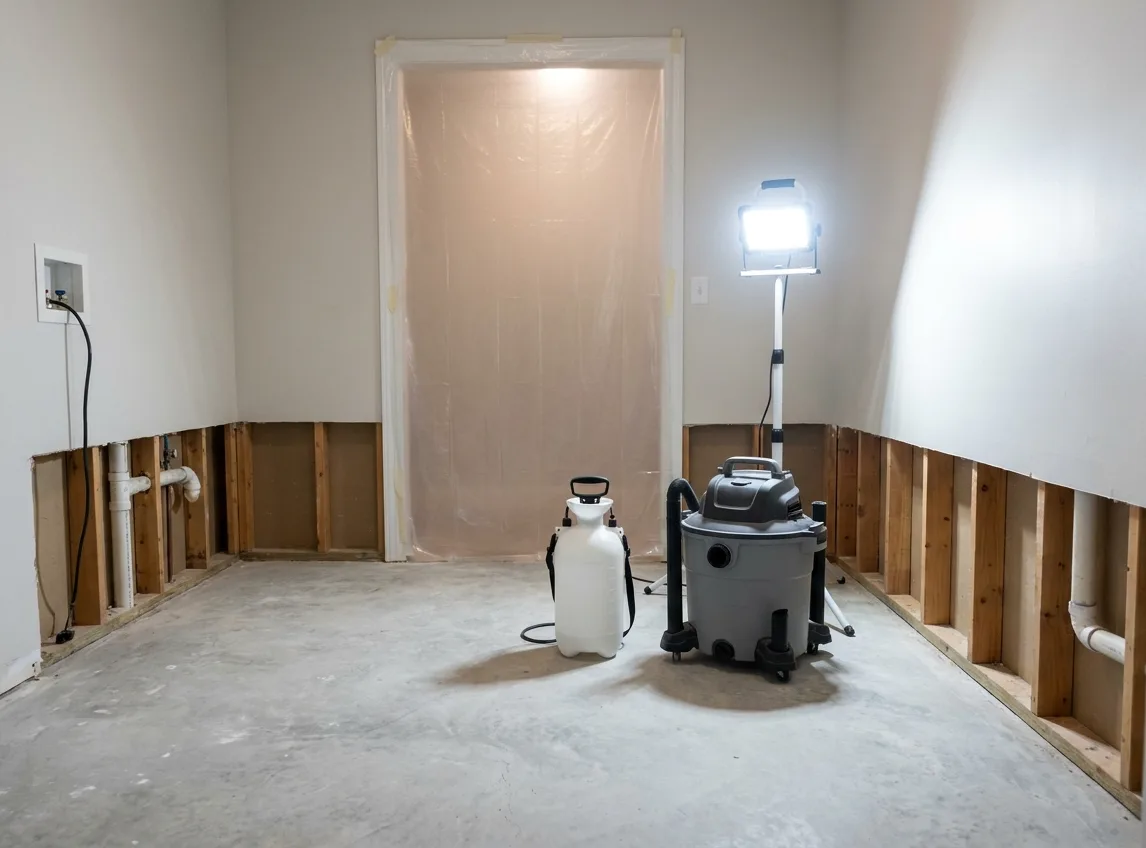
Before extraction, we seal the work zone with plastic sheeting and, where needed, run HEPA air scrubbers to hold the room under negative pressure. That keeps contaminated aerosols out of bedrooms and the HVAC return. Technicians wear respirators, gloves and disposable suits, and one marked path out keeps clean rooms clean.
Standing wastewater is pumped or extracted with dedicated equipment, and solids are bagged for proper disposal. We never squeegee contaminated water toward a drain that may still be partly blocked, and hoses and wands used on sewage are cleaned and disinfected before they touch another job.
Removal of Porous Materials
Under S500 guidance, porous materials soaked by Category 3 water are generally removed because they can't be cleaned to a safe level. That covers carpet, pad, upholstery, insulation and the lower section of wet drywall. We cut above the visible wick line so the wall cavity can be inspected, cleaned and dried.
Hard surfaces get a separate decision. Glazed tile, porcelain, sealed concrete and metal fixtures can usually be cleaned and kept, while grout, unsealed stone and wood trim are judged one by one. We explain each call before acting and photograph everything that leaves the house so your claim lists it.
Cleaning, Disinfection and Odor Control
Every remaining surface is cleaned first to lift soil and biofilm, then treated with an EPA-registered antimicrobial left on for the label's full dwell time. Disinfectant sprayed on a dirty surface doesn't do its job, so the two steps stay separate. Wall cavities, slab and cabinet bases get the same treatment.
Sewage odor hides in grout, framing and the concrete itself. After cleaning, we run air scrubbers and, when the job calls for it, hydroxyl generators or thermal fogging to break down the compounds that scrubbing missed. We judge the result by smell and sight, never by masking it with fragrance.
Structural Drying After Decontamination
Drying a contaminated room before cleaning it would bake bacteria into the structure, so drying always comes last. We size low-grain refrigerant (LGR) dehumidifiers and air movers to the room and its moisture load, then check studs and bottom plates with pin and pinless meters.
Readings are logged at every visit until each material returns to its normal range, compared against an unaffected wall or floor in the same house. On larger losses the job moves into our structural drying workflow, with a daily moisture map showing which areas still need equipment.
Our Sewage Backup Cleanup Process
Stop, Assess and Protect
We confirm the flow has stopped and keep kids and pets away. A walk-through with moisture meters and a thermal camera shows how far wastewater traveled under flooring and into walls. Then containment goes up so the clean part of your home stays that way.
Extract and Remove
Our crew extracts the wastewater, bags solid waste and pulls the carpet, pad, drywall and other porous materials it reached. Each item is photographed and logged first. Flood cuts expose the framing so we can see whether moisture wicked into insulation or slipped sideways behind tubs and cabinets.
Clean and Disinfect
With damaged materials gone, we scrub the slab, studs, fixtures and other hard surfaces, then apply antimicrobial and give it full contact time. HEPA vacuuming collects fine debris, and air scrubbers keep running to capture the particles that scrubbing stirs up. Nothing gets sealed or rebuilt until surfaces pass a visual check.
Dry, Verify and Hand Off
Dehumidifiers and air movers run until readings match unaffected parts of the house, and you and your adjuster receive the final moisture log. If drywall, trim or flooring must be replaced, we outline the rebuild scope so new materials go onto a dry, sanitized structure.
Why Choose Us for Sewage Backup Cleanup
We Follow the Category 3 Protocol Every Time
Some outfits dry a small toilet overflow in place like a clean spill. Water that came out of a drain line is handled as contaminated, so containment, gear, removal and disinfection happen on every job. That consistency keeps a minor backup from becoming a lasting health problem.
Clear Answers on What Stays and What Goes
Losing a favorite rug or a bathroom vanity is frustrating, and you deserve to know exactly why. We walk the rooms with you, point out the wick line, show you the meter readings and explain each removal. Nothing is torn out without a conversation first.
Records Built for Your Insurance Claim
Sewage claims often turn on the cause and on whether your policy carries a sewer or drain backup endorsement. We document the source, the affected area, removed items and drying logs in a format adjusters recognize, and our insurance claim assistance helps you know what to ask.
Why Sewage Backups Get Worse Fast in Tucson Heat
Tucson summers bring average daily highs between 98 and 102 degrees, and bacteria in wastewater multiply quickly in that warmth. A backup left in a closed house through a July workday smells far worse by evening. Fast removal is the best way to limit what has to be torn out.
Desert air causes a quieter problem. Tile and drywall faces dry fast and look normal while the cavity, bottom plate and slab stay wet. Monsoon humidity from June through September stretches that hidden wet period out even longer, which is why we always measure inside the materials.
What Sewage Backup Cleanup Costs in Tucson
Sewage jobs typically cost more than clean water losses because of protective gear, containment, disposal and the larger share of material that must go. These ranges come from our current price sheet and are not a quote; your price depends on what the inspection finds.
Price moves with how long the wastewater sat, how many rooms it reached, whether it entered wall cavities and how much flooring comes out. Sewer line repairs are billed separately by your plumber. Many policies cover sewage only with a backup endorsement, so check your declarations page. Inspection is free.
| Scope | Typical range |
|---|---|
| Inspection and moisture assessment | Free |
| Sewage backup cleanup | Most jobs $3,000–$12,000+ |
| Odor removal and sanitizing (add-on) | Most jobs $500–$3,000 |
| Mold removal if growth has started | Starting at $1,500; most jobs $2,500–$7,500 |
Sewage Backup Cleanup FAQs
Can I clean up a small toilet overflow myself?
If clean supply water overflowed an unused bowl, mopping and drying is usually fine. Once waste was in the bowl, or the water came up from the drain, it is Category 3. Bleach on the surface won't reach what soaked into grout, baseboards or pad, so anything porous that got wet deserves a professional look.
How much does sewage backup cleanup cost in Tucson?
Typical sewage cleanups land somewhere in the $3,000 to $12,000 range, and larger losses can go past it. The total depends on square footage, how much drywall and flooring we remove, and whether odor treatment or rebuild work follows. We provide a written scope after a free inspection, before any work begins.
Do I have to leave the house during cleanup?
Not always. If the backup stayed in one bathroom we can seal off, many families stay home. Young children, older adults, pregnant family members and anyone with a weakened immune system should stay elsewhere until disinfection is done. When several rooms or the HVAC system are involved, leaving briefly is safer.
Will my carpet be saved after a sewage backup?
Carpet and pad that absorbed sewage are almost always removed. The S500 standard treats porous materials soaked by Category 3 water as non-restorable, since cleaning can't reliably reach contamination deep in fibers and backing. A valuable area rug can sometimes go to a specialty cleaner, but wall-to-wall carpet and pad are replaced.
What causes most sewage backups in homes?
Usual culprits are tree roots in the lateral line, grease poured down the kitchen sink, so-called flushable wipes, sagging or broken pipe sections and blockages in the public main. A plumber's camera inspection normally pinpoints the cause. Knowing it helps your claim and prevents a repeat, so we record the source.
Find Us for Sewage Backup Cleanup in Tucson
Get a Free Sewage Backup Cleanup Inspection
Call any time, or send the form and we'll call you back.