
Tucson Water Damage Restoration Champions
Professional Structural Drying Services in Tucson, Arizona
Measured, monitored drying for framing, slabs and wall cavities
- Free inspection
- Direct insurance billing available
- IICRC-certified technicians
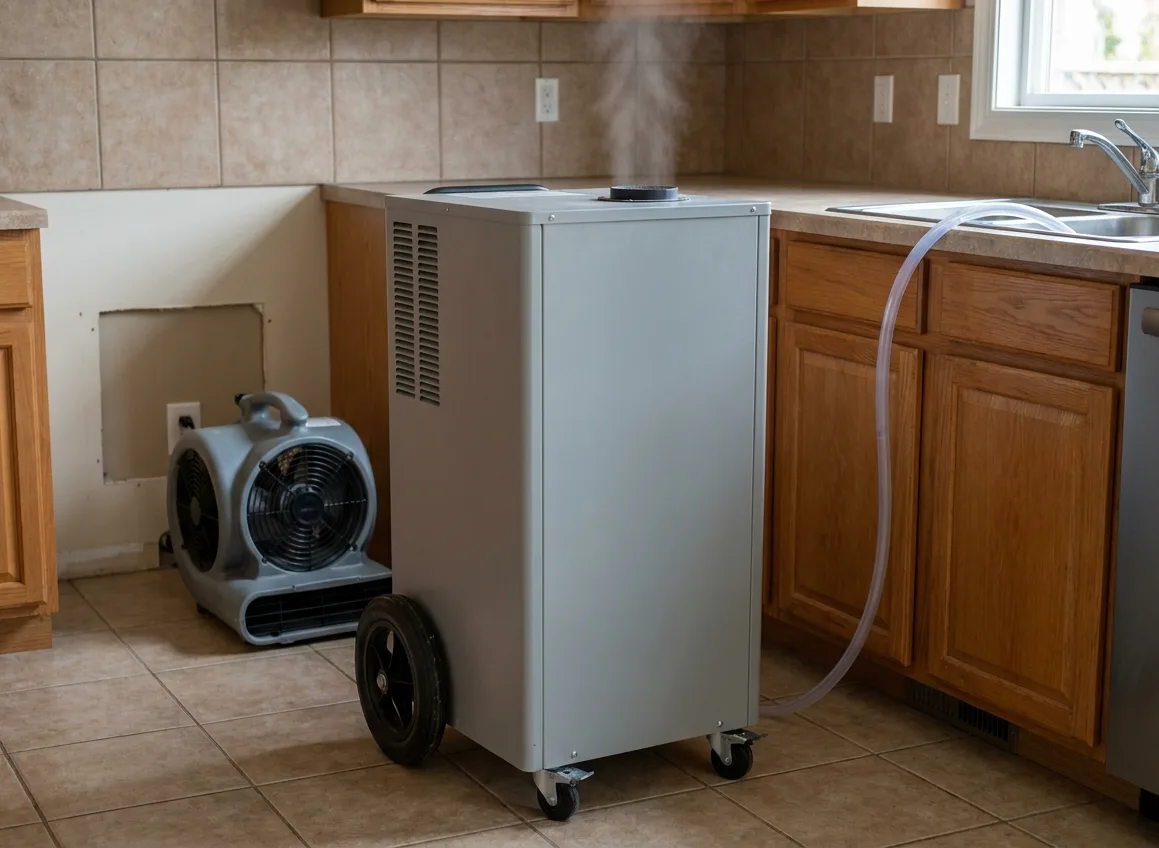
Our team delivers expert structural drying services throughout Tucson and surrounding areas. Homeowners across Tucson rely on Tucson Water Damage Restoration Champions for dependable, straightforward service. Our IICRC-certified technicians utilize advanced drying equipment and moisture mapping technology to ensure your property is completely dried after water damage.
Advanced Structural Drying in Tucson
We dry by the numbers: commercial dehumidifiers and air movers are placed to a plan, and moisture meter readings decide when each area is done. Our local team responds within 60 minutes to prevent secondary damage and mold growth in Tucson's unique desert climate.
Structural Drying Service Pricing
- Basic Drying Package: Priced after a free Tucson visit
- Advanced Structural Drying: Priced after a free Tucson visit
- Commercial Drying Services: Priced after a free Tucson visit
- Water Damage Restoration
- Water Damage Assessment and Inspection
- Insurance Claim Assistance for Water Damage Restoration
- Emergency Water Extraction Services
- Mold Removal
- Sewage Backup Cleanup
- Burst Pipe Water Damage Cleanup
- Slab Leak Water Damage Repair
- Water Heater Leak Cleanup
- Swamp Cooler & AC Leak Water Damage
- Monsoon Storm & Flood Damage Restoration
- Roof Leak & Ceiling Water Damage Repair
- Wet Carpet & Pad Drying
- Hardwood Floor Water Damage & Drying
- Drywall Water Damage Repair
- Water Damage Odor Removal & Sanitizing
- Contents Pack-Out & Restoration
- Commercial Water Damage Restoration
- Water Damage Reconstruction & Rebuild
Our Structural Drying Services
Wall Cavity Injection Drying
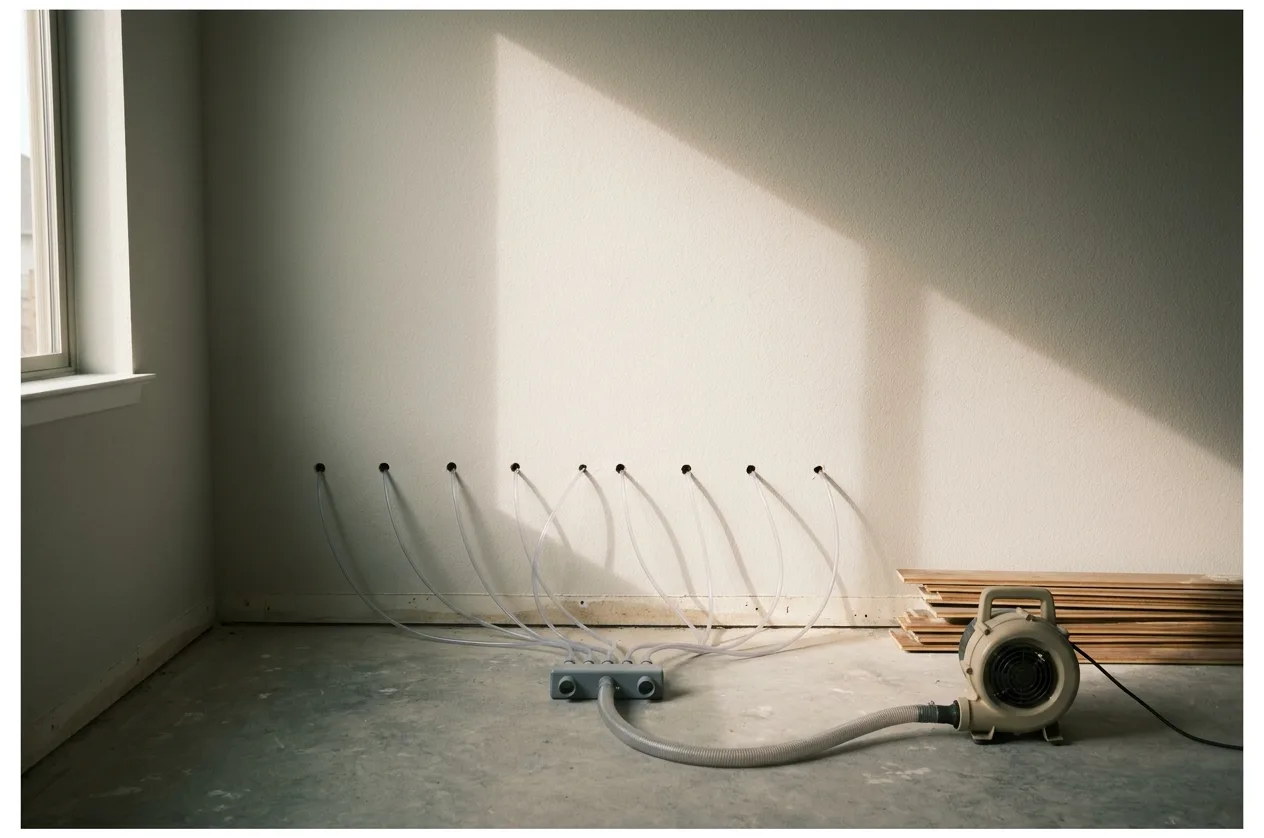
When water runs down inside a wall, the drywall face, the studs and the bottom plate all get wet, but a fan in the room only reaches the painted surface. Injection drying uses a manifold with small hoses that push dry air into the cavity through holes drilled behind the baseboard or at the base of the wall.
This method lets us dry many walls without cutting them open. The holes are small and get patched during repairs, which is far less work than replacing full sheets of drywall that could have been saved.
Concrete Slab and Tile Floor Drying
Concrete is dense, and water that soaks into a slab comes out slowly. We dry slabs with directed airflow, dehumidification and, when tile has been removed, heat mats or drying mats that draw moisture from the surface. Readings are taken at depth, not just at the top.
If tile is still bonded and grout is sound, we may dry it in place and confirm with readings around the edges. Tile that sounds hollow when tapped has usually lost its bond, and that section may need to come up.
Hardwood and Subfloor Drying
Solid wood flooring absorbs water and cups as the boards swell from underneath. Floor drying mats connected to a vacuum system pull moisture up through the boards, and we often run them alongside dehumidifiers to keep the room air dry enough to accept it.
Second-story bathrooms and laundry rooms have plywood or OSB subfloors that hold water under tile or vinyl. We check below the finish flooring and dry the subfloor and joists so the floor above doesn't loosen later.
Cabinet and Built-In Drying
Kitchen and bathroom cabinets trap water underneath the toe kick and behind the back panel. We remove toe kicks and sometimes drill small holes in cabinet floors so air can reach the void, then aim airflow and a dehumidifier at that space.
Particleboard swells permanently once it absorbs enough water, but plywood boxes and solid wood often recover. We check each cabinet and tell you which ones dried successfully and which need replacement.
Our Structural Drying Services Process
- Step 1
Initial Assessment & Moisture Mapping
Complete property inspection using thermal imaging and moisture meters
Before any machine is placed, we establish dry standards by reading the same materials in an unaffected part of the home. Then we map wet areas across floors, walls and ceilings, note material types, and assign an IICRC drying class from 1 to 4 based on how much water evaporation the job will require.
- Step 2
Equipment Setup
Strategic placement of professional drying equipment
Equipment setup follows the drying class and the room layout. Air movers are angled to create a steady flow across wet walls and floors, and dehumidifiers are sized for the cubic footage. We may tent a wet area with plastic to focus drying and limit how much of the house the machines need to treat.
- Step 3
Monitoring & Adjustment
Daily moisture level checking and equipment optimization
Each visit, we compare readings with the previous day and with the dry standard. If a wall is slow to drop, we might move air movers closer, add injection drying, or open a baseboard. Equipment that is no longer needed in a dry room gets pulled so you aren't paying for it.
- Step 4
Final Inspection
Comprehensive verification that all affected areas are completely dry
Drying is complete only when every marked point reaches the dry standard, not when the room feels dry. We record final readings in the log, take photos, and remove equipment. Your moisture records then support both the insurance file and the repair crew's work.
Why Tucson Calls Us for Structural Drying
- 24/7 emergency response throughout Tucson
- Prevents mold growth and structural deterioration
- Advanced moisture detection and monitoring
- Locally owned with knowledge of Tucson's climate conditions
- Direct insurance billing available
How Tucson's Climate Changes the Drying Plan
Outdoor humidity in Tucson stays low for most of the year, and June is the driest month, averaging about 21 percent relative humidity. Dry air speeds evaporation from exposed surfaces, but it can also create a false sense of progress. Drywall faces dry and harden while the stud bays and slab edges behind them stay wet, which is why we read below the surface.
Monsoon season reverses the picture. When storms bring moist air between June and September, a house with open windows can actually gain moisture. During those weeks we keep the drying area closed, rely more on dehumidifiers, and watch indoor grain readings closely to make sure the air we're moving is drier than the materials we're drying.
Desiccant dehumidifiers absorb moisture from the air chemically rather than by cooling it, which makes them useful in hot spaces like garages and attic areas in summer. LGR refrigerant dehumidifiers handle most interior rooms well. Choosing between them, and between open and contained drying, is part of reading Tucson's conditions on the day we arrive.
What Structural Drying Costs in Tucson
Drying costs are driven by how much equipment is needed and for how many days. These ranges reflect typical Tucson drying jobs with daily monitoring included. Your figure is set after the free moisture inspection and a written drying plan.
The biggest variables are the drying class, the number of rooms and the materials involved. Dense materials like concrete, plaster and hardwood take longer than drywall and carpet. Containment and injection systems can shorten drying time and reduce removal. Covered losses often include drying in the claim, and our daily logs are written so adjusters can follow them.
| Scope | Typical range |
|---|---|
| Moisture inspection and drying plan | Free |
| Structural drying, equipment and monitoring | Most jobs $1,500–$6,000 |
| Hardwood floor drying | Most jobs $1,500–$6,000+ |
| Extraction before drying, when needed | Starting at $500; most jobs $1,000–$4,500 |
Structural Drying Questions We Hear Often
How long does structural drying take in Tucson?
Typically 3-5 days depending on severity and Tucson's current humidity levels. Our advanced equipment and methods ensure optimal drying time.
Will insurance cover the drying?
Usually, when the water came from a sudden event. We work with the major insurers and keep the daily drying logs adjusters ask for.
Can we stay home while the equipment runs?
Most families do. The machines are loud, though, and for severe losses we may suggest staying elsewhere for a few nights.
What makes your structural drying services different in Tucson?
Our local expertise with Tucson's unique climate, 24/7 emergency response, and advanced drying technology sets us apart from competitors.
What does structural drying usually cost?
Most structural drying jobs in Tucson fall between $1,500 and $6,000, including equipment and daily monitoring. Smaller single-room jobs come in at the low end, while multi-room losses with concrete, hardwood or plaster walls take more equipment and more days. Hardwood drying can exceed $6,000. We provide a range in writing after a free inspection and adjust only if readings change the plan.
Can I turn off the drying equipment at night to save power?
Please don't. Drying depends on continuous airflow and dehumidification, and stopping overnight lets humidity climb back up and the materials reabsorb moisture. That stretches the job and can increase the risk of mold. If noise is a problem in a bedroom, call us and we can adjust placement or containment. The equipment draws power, and we can note the usage for your claim.
Where We're Based for Structural Drying Calls
Get Your Free Structural Drying Services Estimate
Call or send the form about structural drying and we'll set a free visit.